

Why Your AI Strategy Needs Orchestration, Not More Tools
The difference between organizations drowning in AI experiments and those achieving measurable ROI isn't budget or talent. It's coordination.
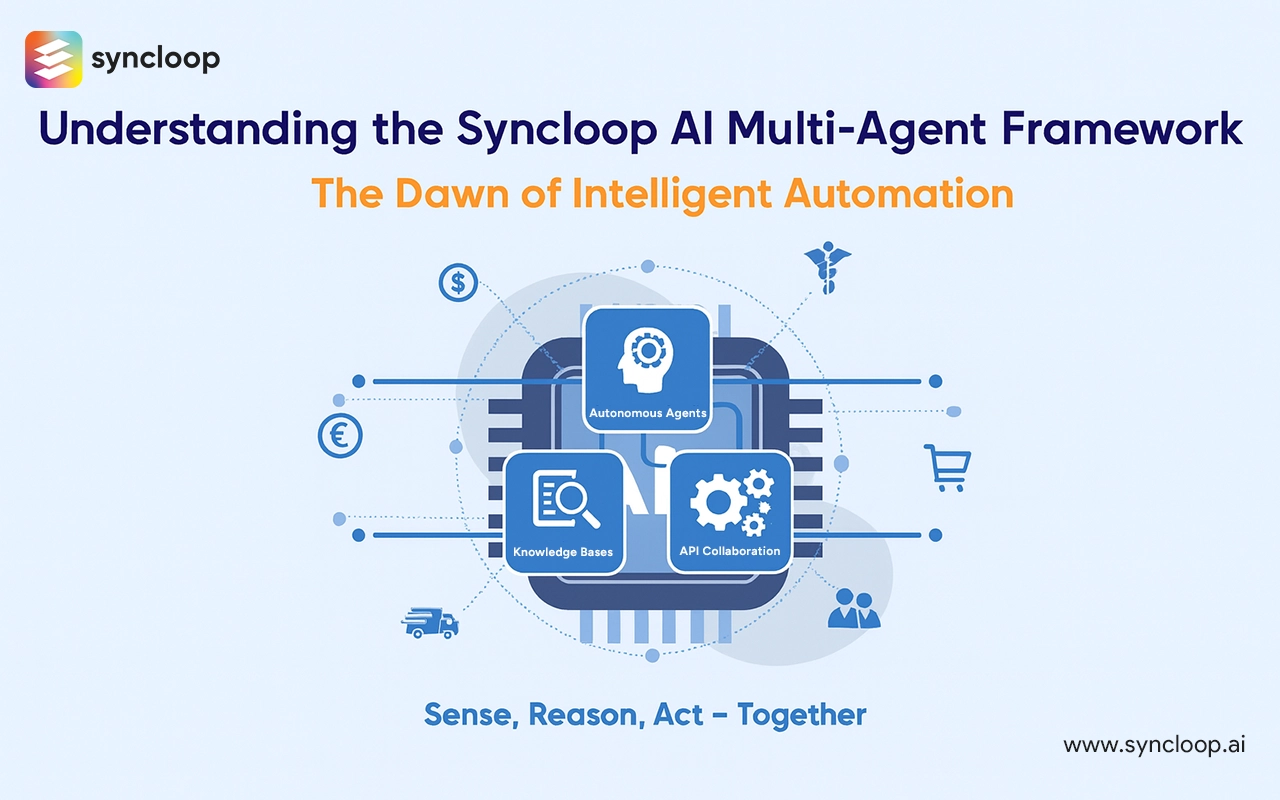
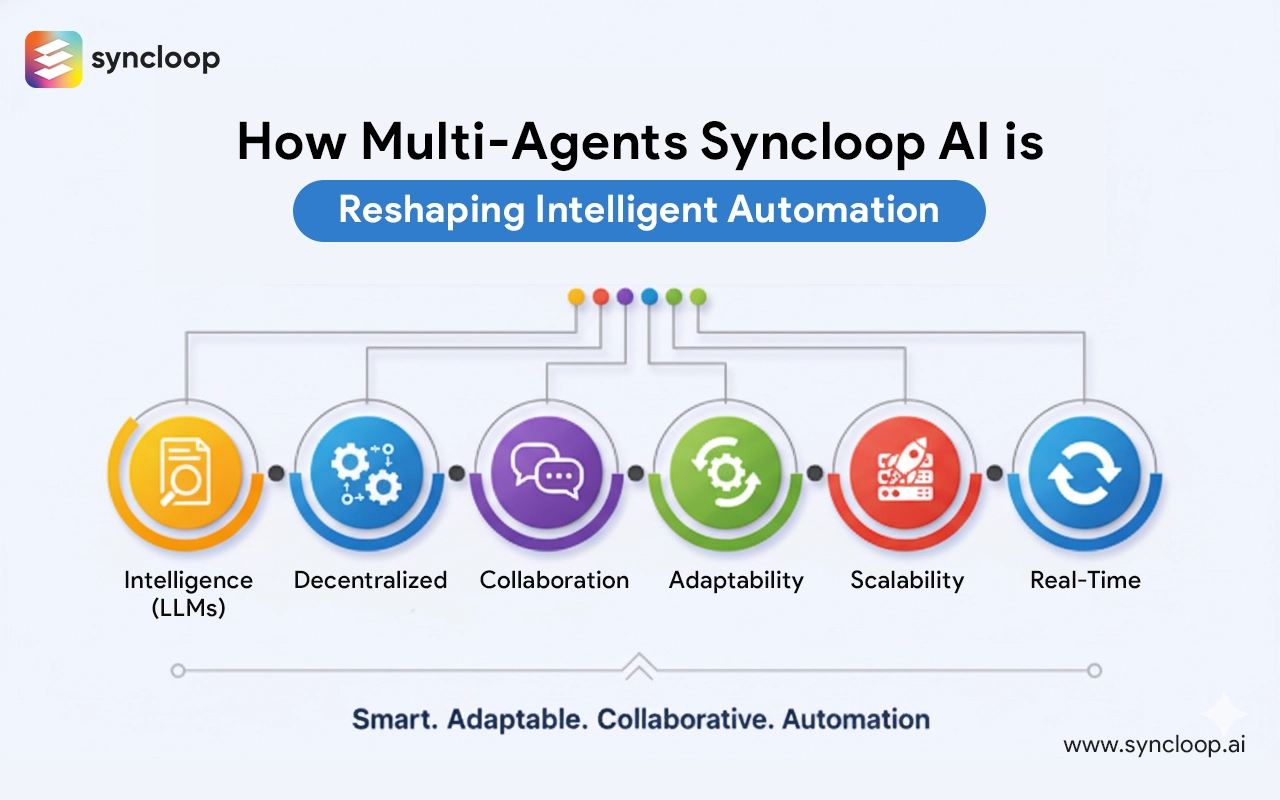
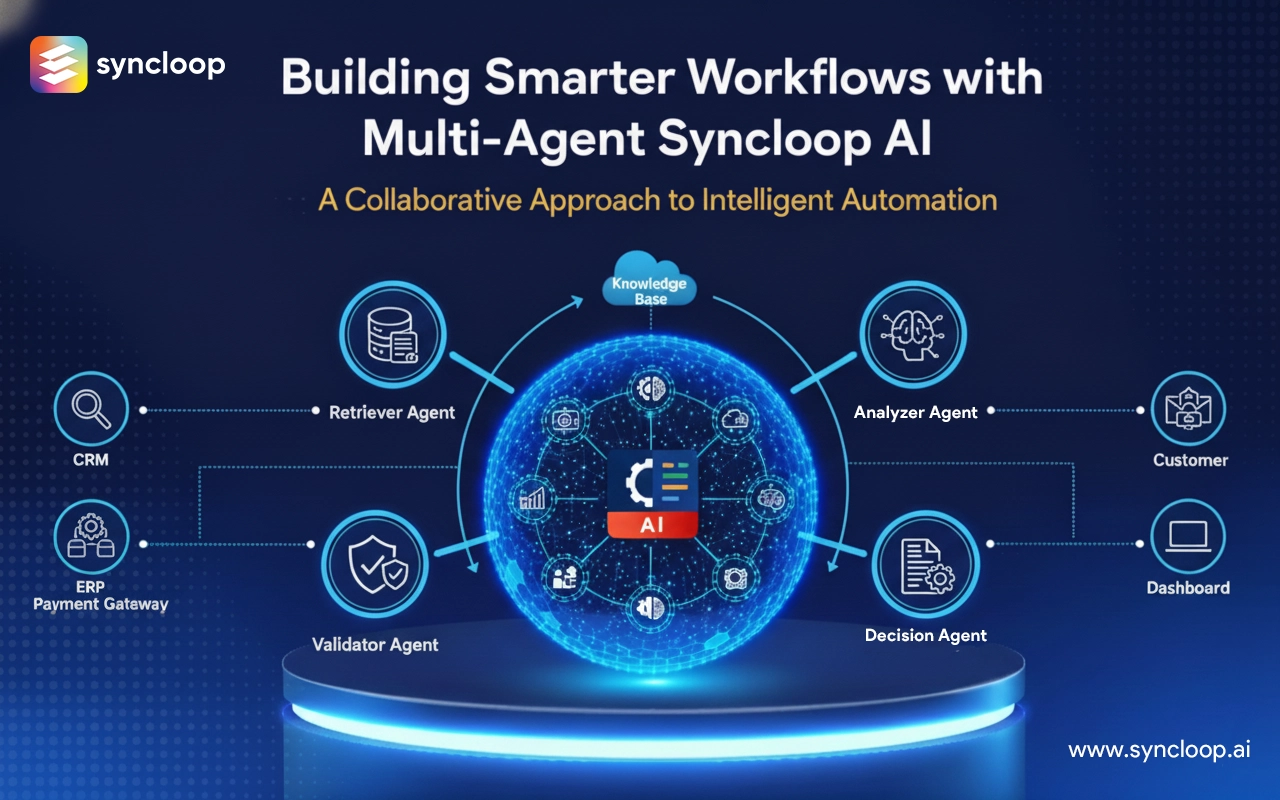
In today’s rapidly evolving digital landscape, organizations across industries are reimagining how work gets done. The demand for speed, accuracy, and continuous adaptability has surpassed the capabilities of traditional automation systems. Businesses are now turning toward intelligent, self-coordinating ecosystems that can sense, reason, and act autonomously.
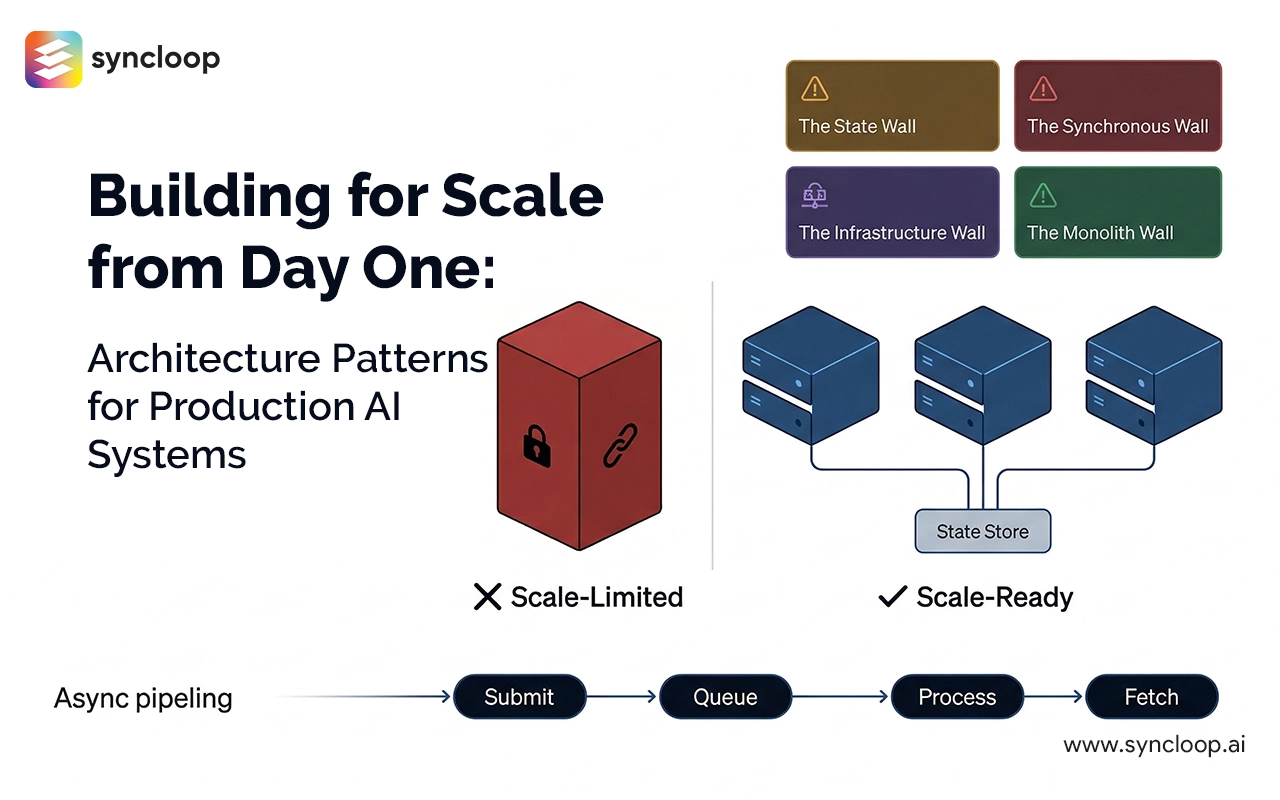
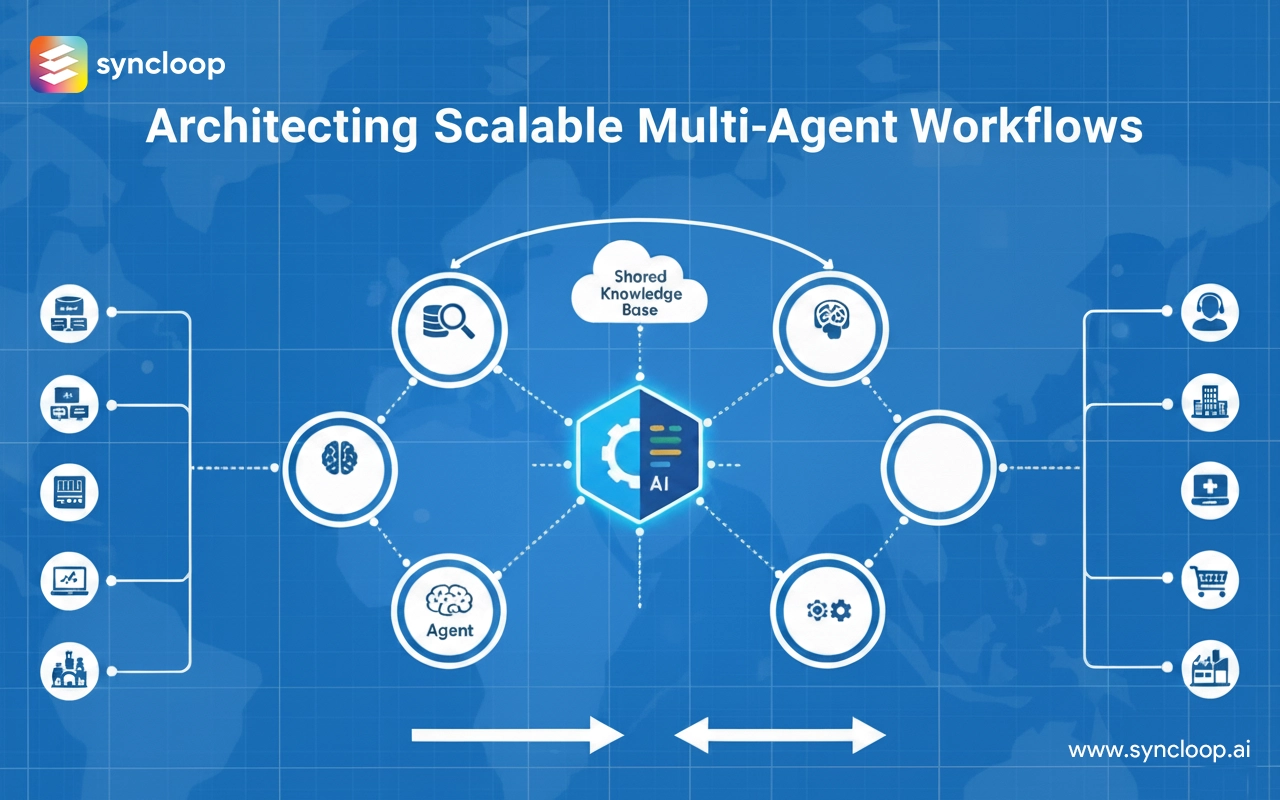
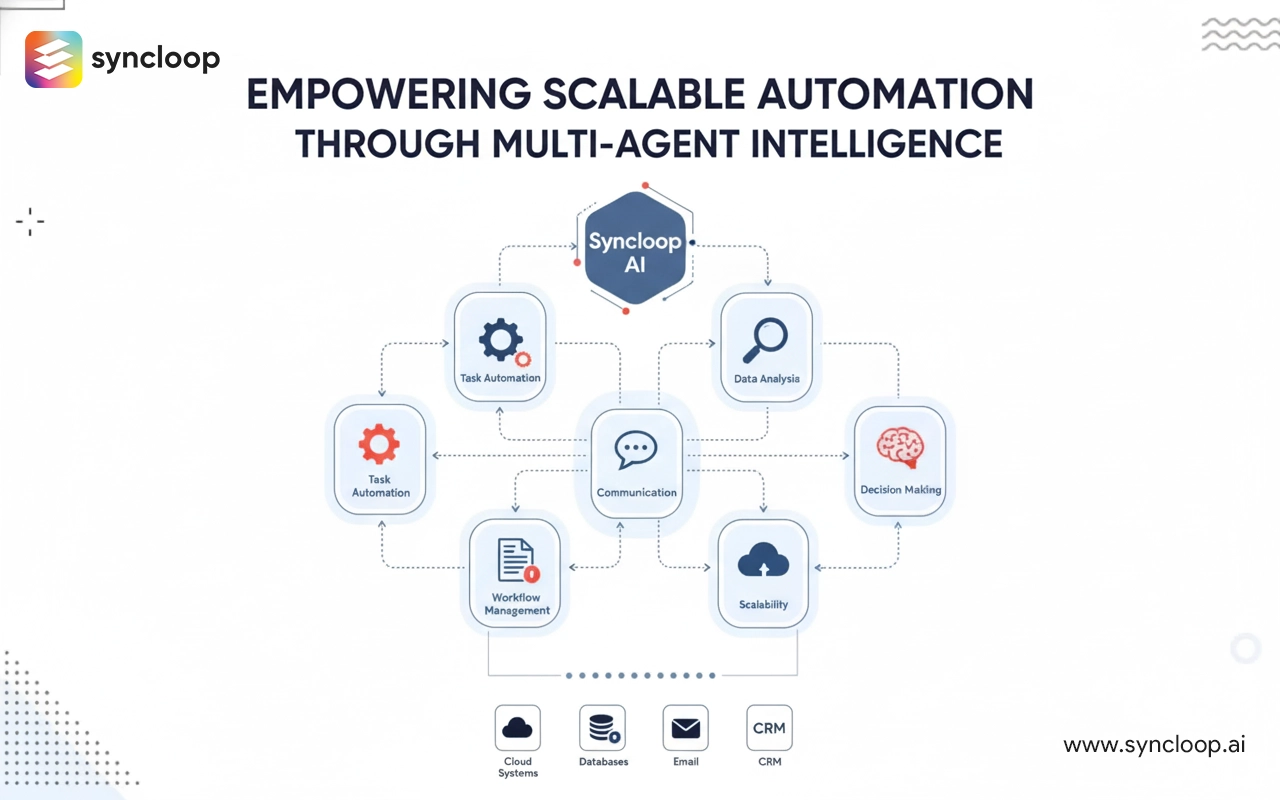
As organizations increasingly adopt AI-driven solutions to enhance efficiency and intelligence in operations, one challenge consistently emerges —scalability. Traditional automation platforms, while efficient for static or rule-based workflows, often crumble under the pressure of dynamic workloads and context-driven decision-making.
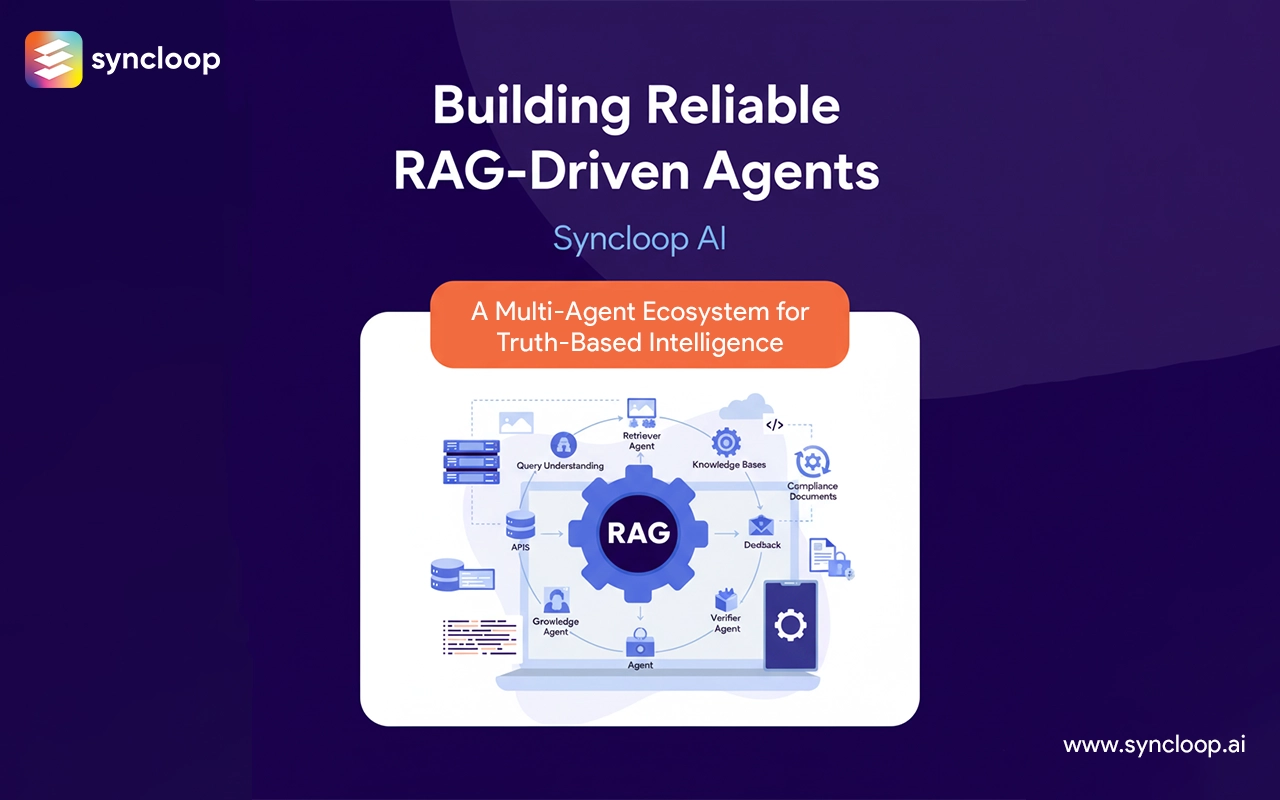
In the rapidly expanding world of artificial intelligence, enterprises are increasingly demanding accuracy, explainability, and reliability from their AI systems. While Large Language Models (LLMs) have shown immense potential, they often struggle with factual correctness — a phenomenon known as hallucination. The solution lies in Retrieval-Augmented Generation (RAG), a framework that combines the reasoning ability of LLMs with the factual strength of external knowledge sources.
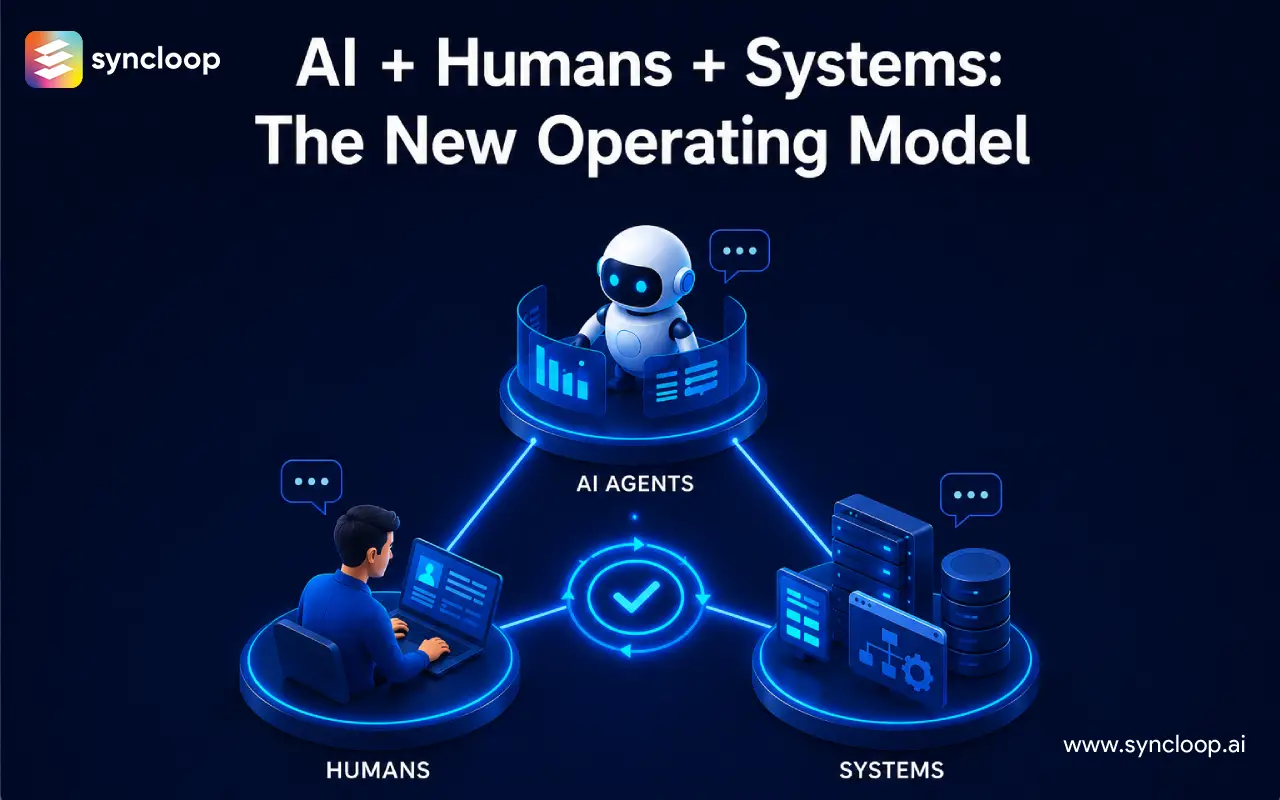
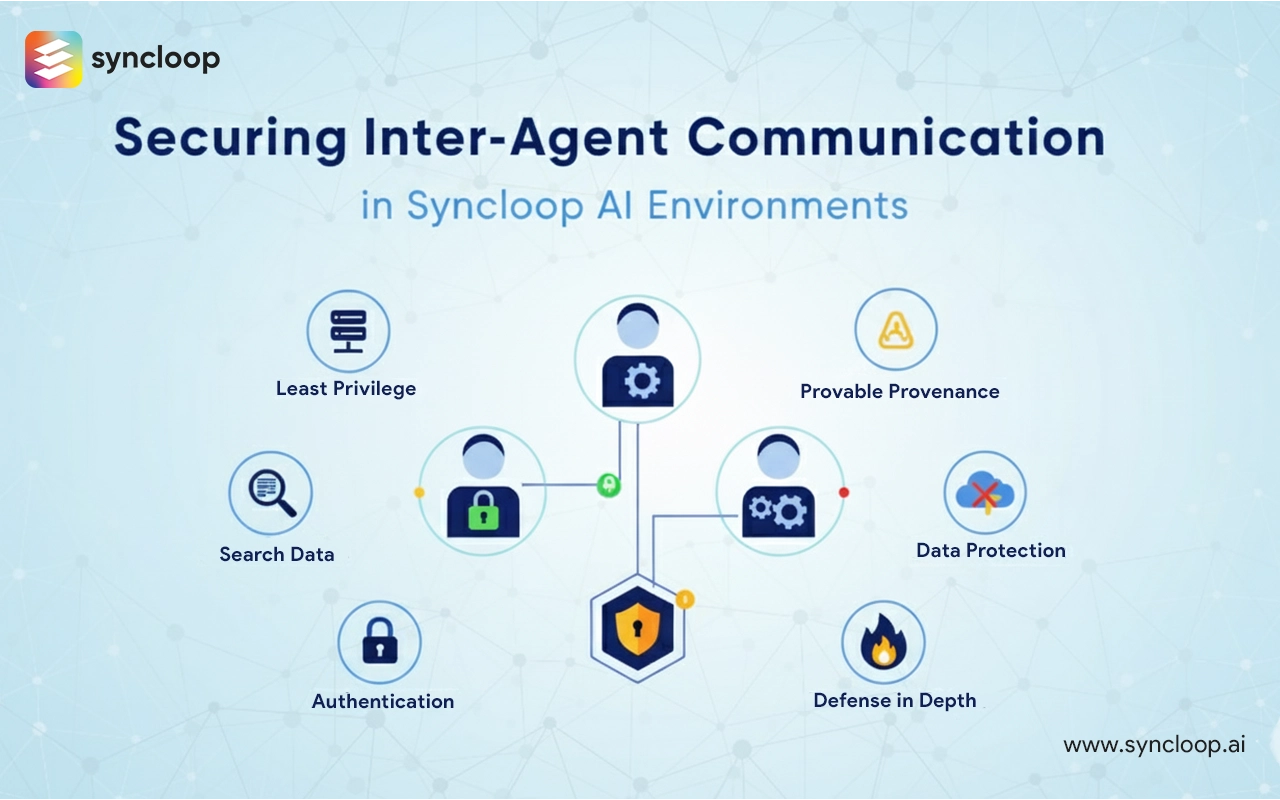
As organizations embrace multi-agent architectures to automate complex workflows, the conversation around capability naturally shifts to trust. Agents coordinate, reason, and act autonomously — but when those agents exchange data and instructions across networks and knowledge bases, the security stakes become existential. A misconfigured API, an exposed credential, or an unverified data source can turn intelligent automation into a liability.
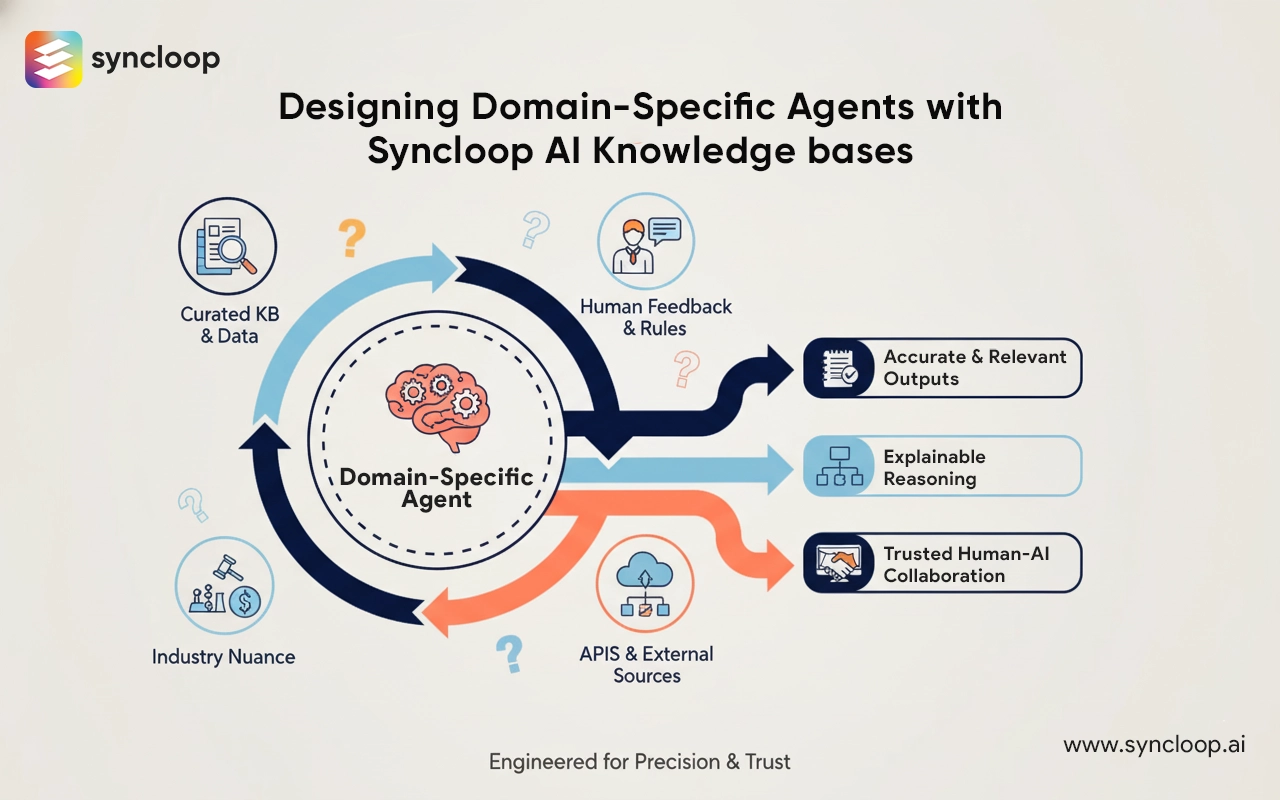
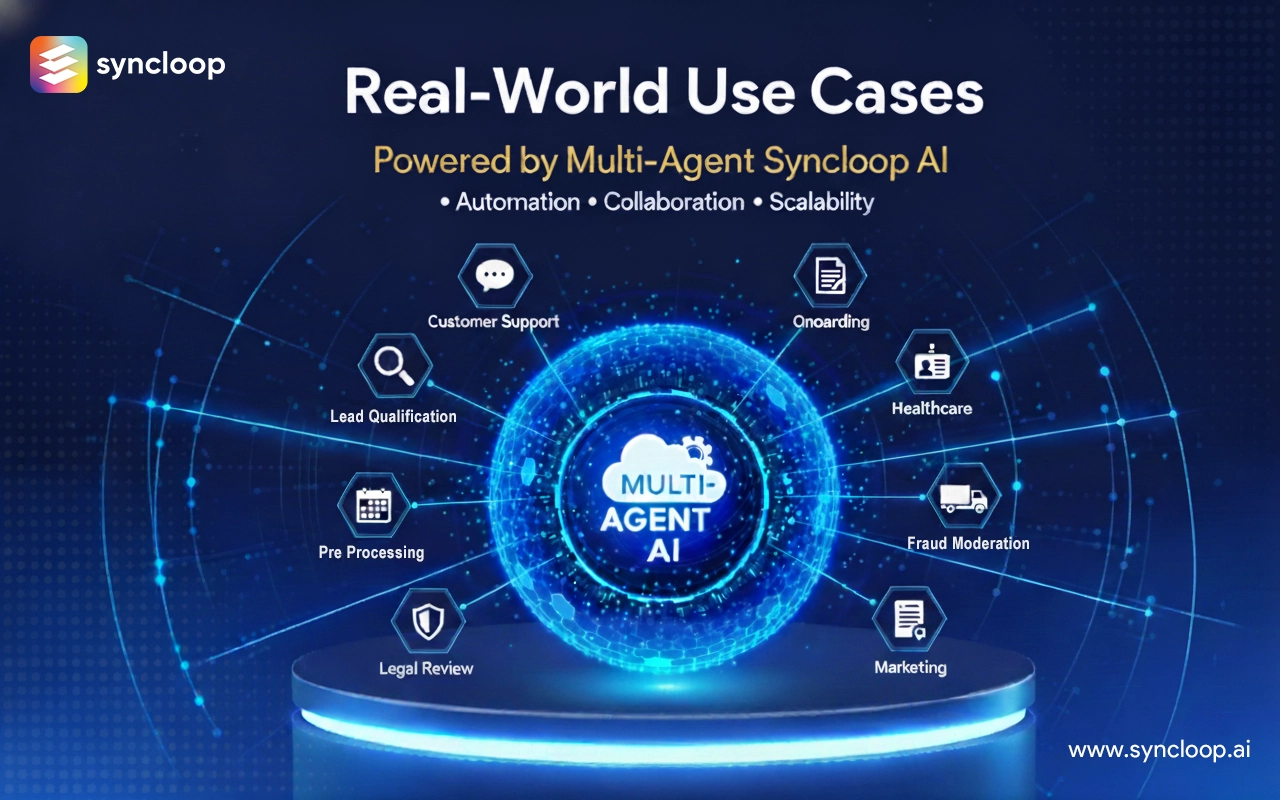
Designing intelligent automation that truly understands a specialized field—healthcare, finance, legal, manufacturing—requires more than generic language models. It requires agents that think in the terms of the domain, surface the right sources, and respect the rules and sensitivities that practitioners expect. Syncloop AI was built for this exact purpose: to combine modular, API-driven agents with curated knowledge bases so organizations can create domain-specific agents that are accurate, explainable, and practical for everyday work.
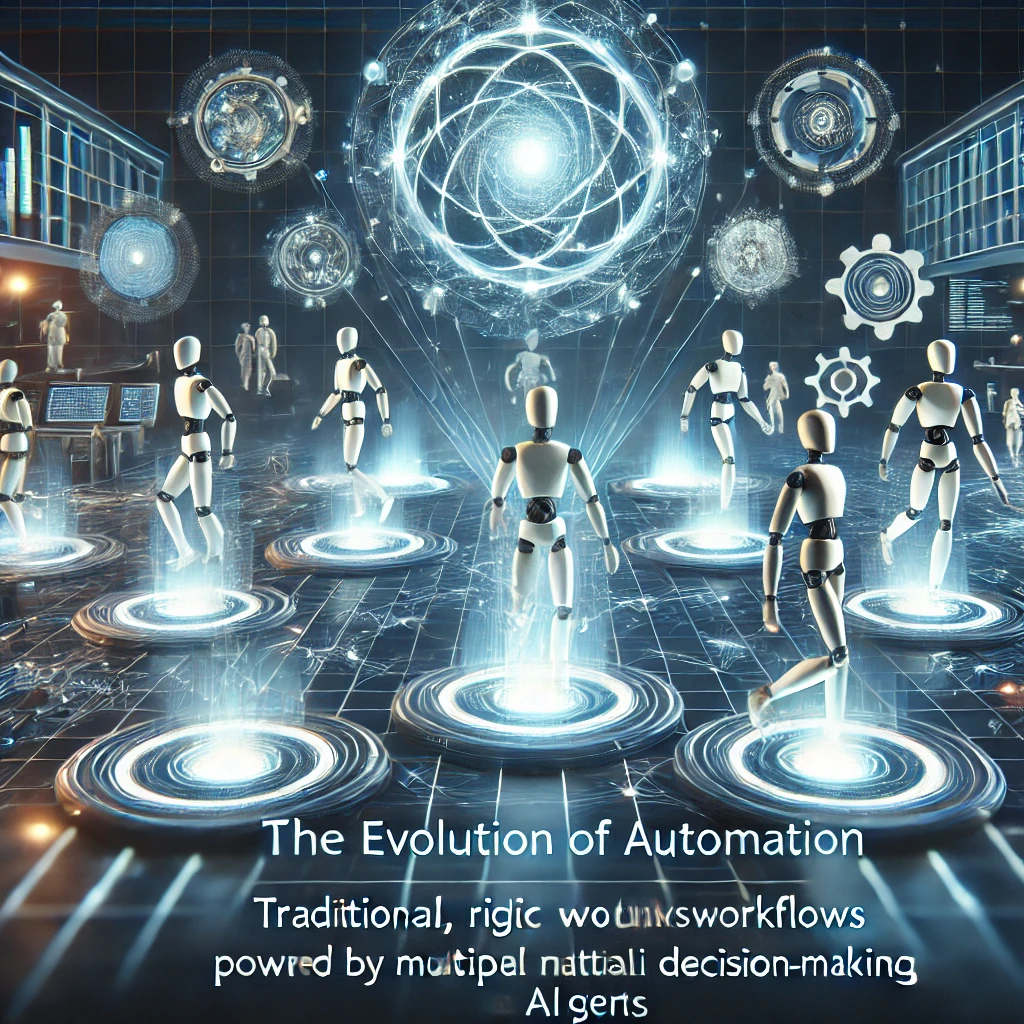
The idea of automation has been with us for decades. It started with simple scripts, evolved into rule-based bots, and eventually grew into process automation platforms that handle repetitive tasks at scale. But as business processes become more complex and dynamic, traditional automation systems are starting to fall short. They often lack flexibility, adaptability, and intelligence. What businesses need today is not just automation, but intelligent automation—systems that can think, adapt, and collaborate.
Every business, regardless of its size or industry, runs on workflows. These workflows—whether it’s processing an invoice, onboarding a new employee, or handling a customer support request—are the engine behind day-to-day operations. But too often, these workflows are riddled with inefficiencies: manual steps, delayed approvals, disconnected systems, and human error.
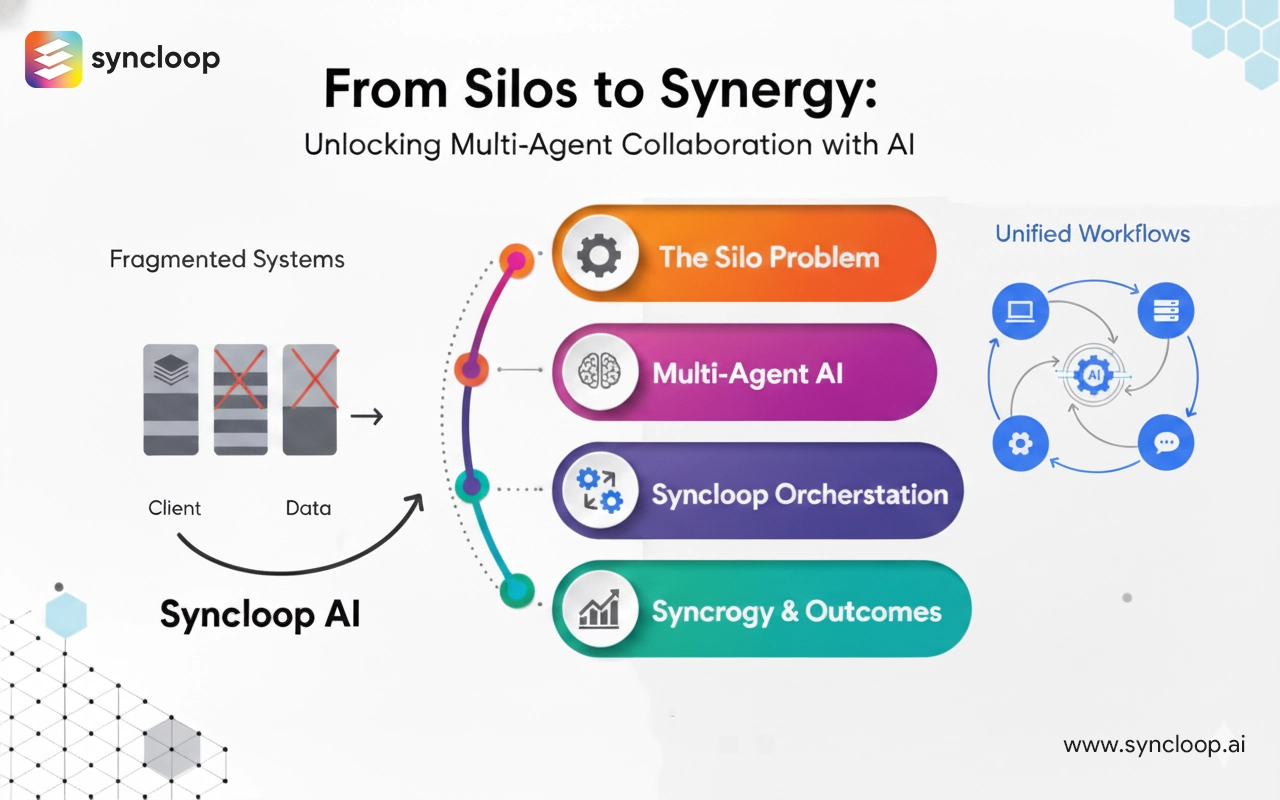
Modern businesses are built on systems—CRMs, ERPs, ticketing platforms, analytics tools, cloud services, and more. But the reality is that many of these systems don’t talk to each other. They operate in silos, causing delays, duplicate work, and fragmented decision-making. As companies grow, these silos grow with them, slowing down innovation and collaboration.
Automation has come a long way—from simple macros and scripts to intelligent bots and digital workflows. But as business systems grow more complex and expectations for speed and personalization increase, traditional automation solutions are hitting their limits. They’re fast, yes—but often rigid, fragile, and unable to adapt to change.
Automation is no longer a luxury—it's a necessity. Businesses around the world are racing to streamline operations, enhance customer experiences, and reduce the friction caused by manual, repetitive tasks. But while traditional automation tools can handle linear processes, today’s fast-paced, interconnected world requires a smarter, more adaptable solution.
As businesses continue to evolve in complexity, scale, and speed, the demand for automation has shifted from convenience to necessity. Organizations today are not only looking to reduce manual work but also to build intelligent systems that can think, adapt, and scale with them. The old ways of automation—rigid rule-based scripts, static workflows, and isolated tools—can no longer keep pace with the agility modern companies require.