The Vendor Lock-In Anxiety Playbook: How to Evaluate AI Platforms Without Getting Trapped
Posted by: Marcus Reid | March 29, 2026
The fear is real. HashiCorp changed Terraform's license. Redis went from open to restricted. MongoDB, Elastic, Confluent—the list of "open-source" platforms that shifted to more restrictive terms keeps growing.
Each case follows the same pattern: build adoption on open-source credibility, establish market position, then change the terms. Organizations that built on these platforms suddenly face restrictions they never anticipated.
If you're evaluating AI platforms, you're right to be anxious about lock-in. AI infrastructure becomes deeply embedded in how you operate. Switching costs are high. And the AI platform market is young enough that vendor stability is uncertain.
4+
Major open-source platforms that have restricted their license since 2022
High
Switching costs once AI infrastructure is deeply embedded in operations
Before
Evaluate portability and exit options before committing — not after
The Licensing Analysis
Start with the license. Not "open-source" as marketing language—the actual legal terms that govern your rights.
Maximum freedom
Permissive — Apache 2.0 / MIT
Use, modify, and distribute without restriction. Typically irrevocable—code released under Apache 2.0 stays Apache 2.0 even if the vendor changes direction.
Conditional
Copyleft — GPL / AGPL
Modifications must be released under the same license. Fine for internal use, but creates complications for commercial products. Understand the implications.
Watch closely
Source Available — BSL / SSPL
Looks like open-source but includes restrictions—often prohibiting competitive use or requiring commercial licenses. Most likely to create unexpected limitations.
Highest risk
Proprietary
All rights reserved. Vendor fully controls terms, pricing, and availability. Zero portability protection. Maximum lock-in by design.
Key questions to ask: Is the license OSI-approved? What restrictions exist on commercial use? Can the vendor change terms on existing releases? What happens to your rights if the vendor changes the license for future versions?
The Business Model Assessment
Licenses tell you what you can do today. Business models tell you what the vendor is incentivized to do tomorrow.
Open-core models provide a free open-source base with commercial add-ons. The risk is "feature drift"—essential capabilities migrating from open to commercial tiers over time.
Hosting and support models make money from services around open-source software. Better alignment—the vendor succeeds when software is widely adopted, not when features are restricted.
Venture-backed companies face particular pressure. Investors expect returns, and open-source isn't obviously monetizable. Watch for signs of business model stress: leadership changes, multiple pivot attempts, pressure to demonstrate enterprise revenue.
The Technical Portability Audit
Even with favorable licensing, technical lock-in can trap you. Evaluate how portable your implementation would be:
Data portability: Can you export data in standard formats? Are there proprietary data formats that create switching costs?
API compatibility: Are you building on proprietary APIs that don't exist elsewhere? Or standard patterns that work across platforms?
Infrastructure dependencies: Does the platform require specific cloud providers or services? Evaluate the full dependency chain.
Self-hosting capability: Can you run the platform on your own infrastructure? This is the ultimate escape hatch—the ability to operate independently if the vendor relationship deteriorates.
The Exit Strategy Plan
Before committing to any platform, develop an explicit exit strategy. Not because you expect to use it—but because having one changes the power dynamic and clarifies lock-in risks.
Having an exit strategy changes the power dynamic. When you know you can leave, you choose to stay because the platform delivers value—not because leaving is too expensive. That's the difference between a partnership and captivity.
The Decision Framework
Bringing it together, evaluate AI platforms across four dimensions:
Business model sustainability: Services > Stable open-core > Stressed VC-backed
Technical portability: Standard APIs, exportable data, self-host option available
Exit strategy viability: Alternatives exist, migration is feasible, fork is practical
No platform is risk-free. But platforms that score well across these dimensions give you strategic flexibility. You're choosing to stay because the platform delivers value—not because leaving is too expensive.
That's the difference between partnership and captivity. Evaluate before you commit. The playbook only works before you're embedded.
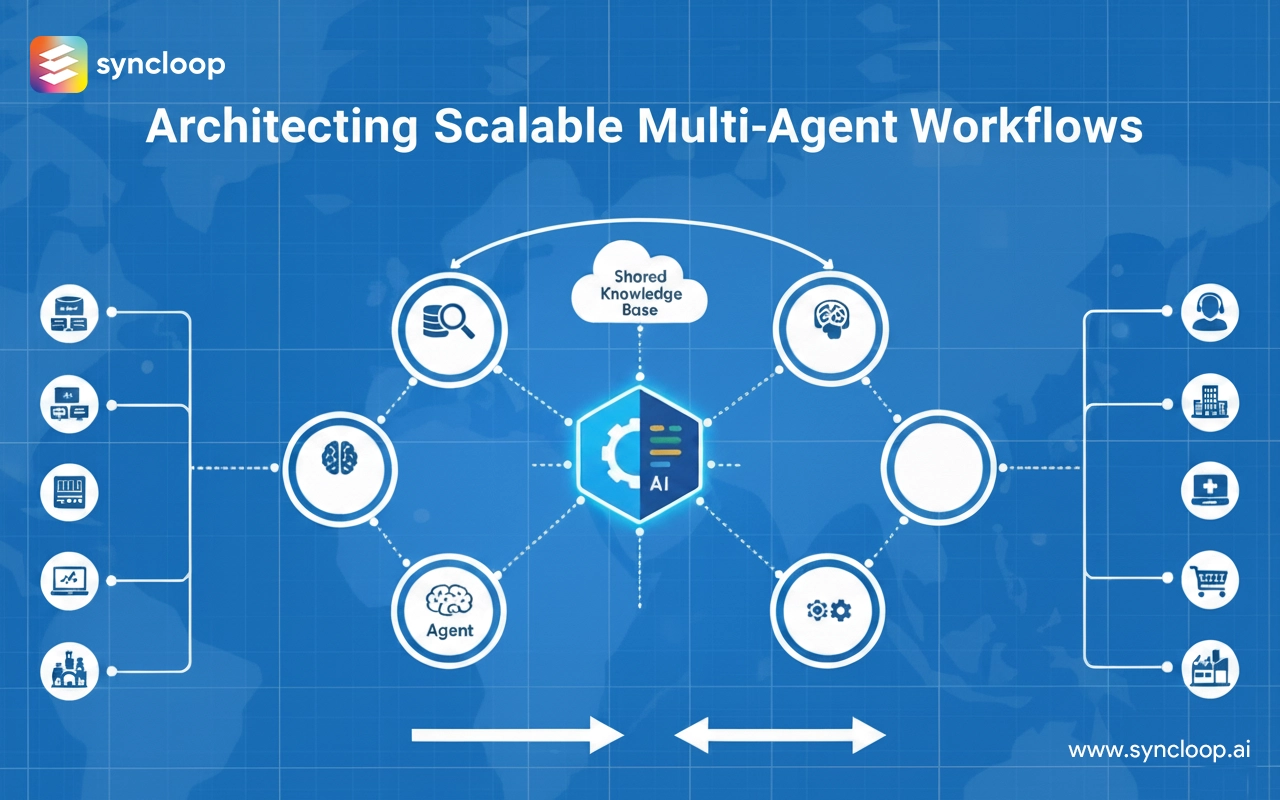
As organizations increasingly adopt AI-driven solutions to enhance efficiency and intelligence in operations, one challenge consistently emerges —scalability. Traditional automation platforms, while efficient for static or rule-based workflows, often crumble under the pressure of dynamic workloads and context-driven decision-making.
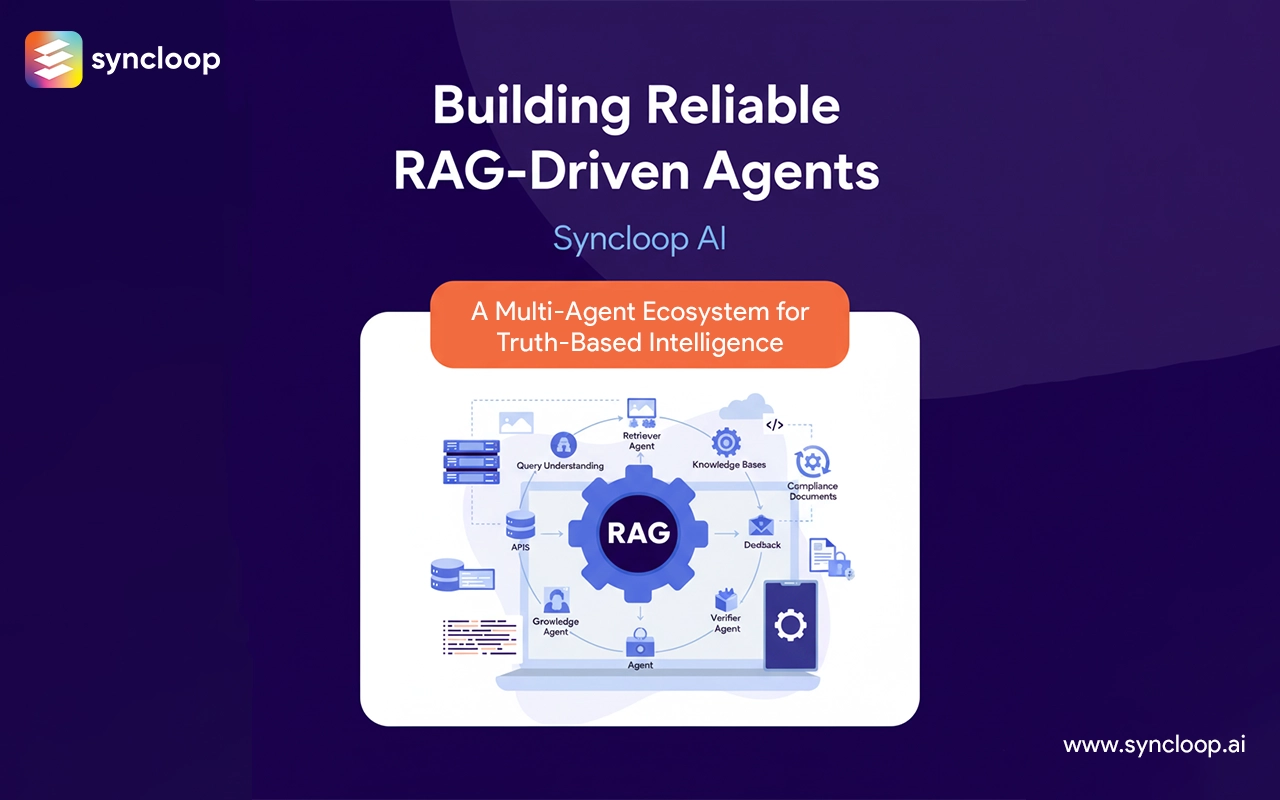
In the rapidly expanding world of artificial intelligence, enterprises are increasingly demanding accuracy, explainability, and reliability from their AI systems. While Large Language Models (LLMs) have shown immense potential, they often struggle with factual correctness — a phenomenon known as hallucination. The solution lies in Retrieval-Augmented Generation (RAG), a framework that combines the reasoning ability of LLMs with the factual strength of external knowledge sources.
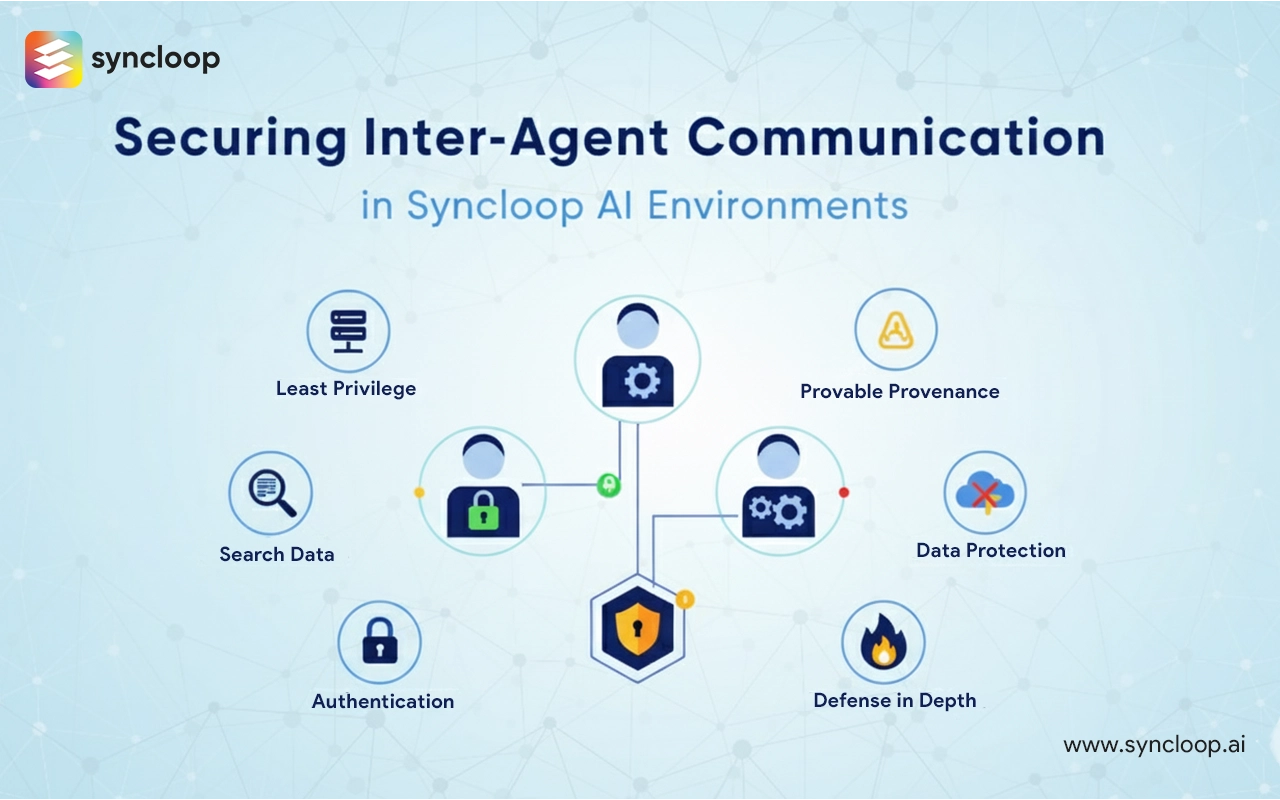
As organizations embrace multi-agent architectures to automate complex workflows, the conversation around capability naturally shifts to trust. Agents coordinate, reason, and act autonomously — but when those agents exchange data and instructions across networks and knowledge bases, the security stakes become existential. A misconfigured API, an exposed credential, or an unverified data source can turn intelligent automation into a liability.