From Black Box to Glass Box: Making AI Decisions Explainable and Auditable
Posted by: Sarah Lee | March 25, 2026
"Why did the system make that decision?"
When an auditor asks this question, you need an answer. When a regulator asks, you need documentation. When a customer asks, you need transparency. And when your own team asks while debugging a production issue at 2 AM, you need visibility.
Most AI systems can't provide these answers. They're black boxes—inputs go in, outputs come out, and what happens in between is opaque. This opacity creates real problems: regulatory scrutiny, debugging nightmares, and stakeholder distrust.
The alternative is glass-box AI: systems designed from the ground up for explainability and auditability. Not as an afterthought. Not as a compliance checkbox. As a core architectural principle.
01
Regulatory Risk
Regulations increasingly require explainability. "We don't know how it works" is not an acceptable answer to regulators.
02
Operational Brittleness
When black-box systems fail, debugging is guesswork. Hours lost tracing logs without visibility into decision paths.
03
Trust Erosion
Customers, business leaders, and technical teams are all increasingly skeptical of decisions they can't understand.
The Problem with Black Boxes
Black-box AI creates three distinct problems that compound in production environments. First, regulatory risk. Regulations increasingly require explainability for automated decisions—particularly those affecting customers, employees, or financial outcomes. Penalties for unexplainable AI decisions are growing, and regulatory frameworks are becoming more specific about documentation requirements.
Second, operational brittleness. When black-box systems fail—and they do—debugging is guesswork. Engineers spend hours tracing through logs, testing hypotheses, and hoping they've found the root cause. Without visibility into decision paths, you can't distinguish between model issues, data issues, and integration issues.
Third, trust erosion. Customers want to know why they were approved or denied. Business leaders want to understand what's driving outcomes. Technical teams want confidence that systems are working as intended. Black boxes undermine all of this.
Hours
Saved per incident when decision paths are visible vs. opaque
GDPR
"Right to explanation" — one of many regulations now requiring AI transparency
0%
Black-box systems that can be retrofitted for true transparency after the fact
What Glass-Box AI Looks Like
Glass-box AI systems make their decision processes visible and traceable. This involves several architectural commitments:
Decision path logging captures not just inputs and outputs, but the intermediate steps that produced the output—which agents were involved, what data each considered, what confidence levels were assigned, what rules were applied.
Visual workflow representation shows the structure of AI processes in human-understandable form. Auditors can verify that the system does what it's supposed to.
Real-time observability provides live visibility into system operation—see agents executing, watch data flow, and identify failures as they happen.
Building for Auditability
Auditability requires more than logging—it requires designing systems with audit requirements in mind from the start.
Immutable audit logs ensure that decision records can't be modified after the fact. Every decision is timestamped and stored in append-only storage. If a regulator asks what happened six months ago, you have an authoritative record.
Version tracking ties decisions to specific system versions. If behavior changes, you can identify when, what changed, and why.
Access controls and attribution document who configured the system, who approved changes, and who has access to data—creating accountability chains that auditors expect and regulators require.
The key insight is that auditability is an architectural choice, not a feature to add later. Systems designed as black boxes can't be retrofitted for transparency. The visibility has to be built in from the foundation.
The Debugging Dividend
Glass-box architecture pays operational dividends beyond compliance. When you can see how decisions are made, debugging transforms from archaeology to observation.
Consider the difference: In a black-box system, a production issue triggers hours of log analysis, hypothesis testing, and tentative fixes. In a glass-box system, you can see exactly where the failure occurred, what data was involved, and which component produced unexpected results. What took hours takes minutes.
Making the Transition
Moving from black-box to glass-box AI requires commitment but not revolution. Start by auditing existing systems: What decisions do they make? What documentation exists? What visibility is available? Identify gaps between current state and regulatory requirements.
For new AI initiatives, choose platforms designed for transparency. Look for:
Visual workflow builders that make logic visible to non-technical stakeholders
Logging capabilities that capture complete decision paths, not just final outputs
Observability tools that provide real-time visibility into agent execution
Immutable audit storage with role-based access and exportable records
The organizations that thrive in the coming regulatory environment will be those who made explainability a priority, not those who treated it as a problem to solve later. The time to build glass-box AI is now—before the auditors arrive.
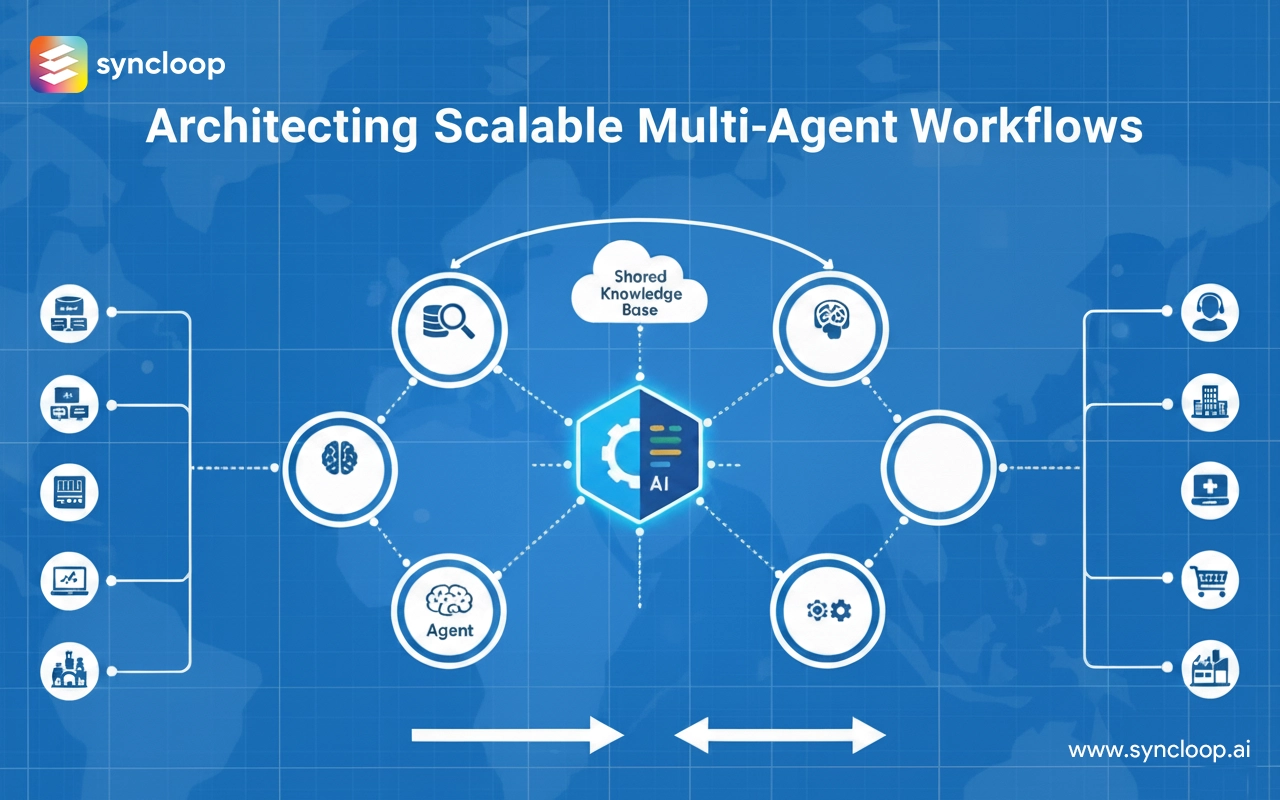
As organizations increasingly adopt AI-driven solutions to enhance efficiency and intelligence in operations, one challenge consistently emerges —scalability. Traditional automation platforms, while efficient for static or rule-based workflows, often crumble under the pressure of dynamic workloads and context-driven decision-making.
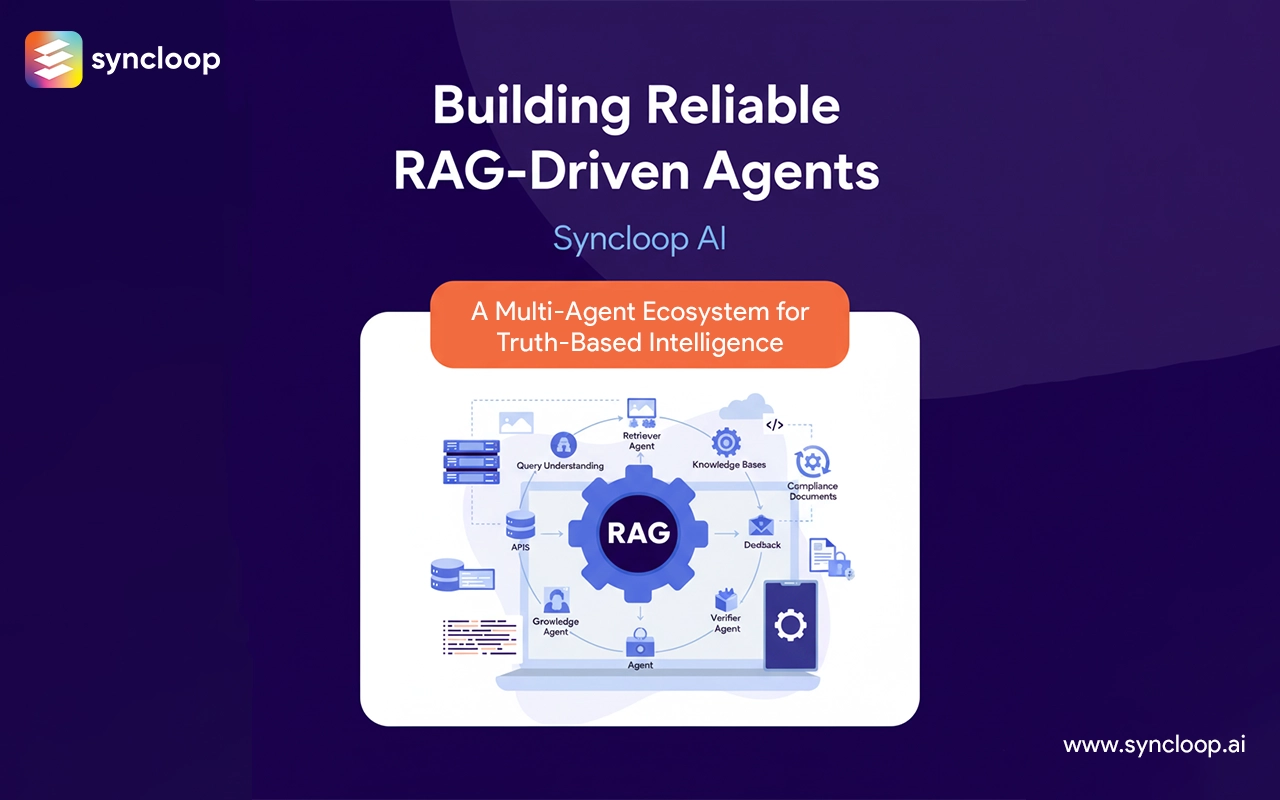
In the rapidly expanding world of artificial intelligence, enterprises are increasingly demanding accuracy, explainability, and reliability from their AI systems. While Large Language Models (LLMs) have shown immense potential, they often struggle with factual correctness — a phenomenon known as hallucination. The solution lies in Retrieval-Augmented Generation (RAG), a framework that combines the reasoning ability of LLMs with the factual strength of external knowledge sources.
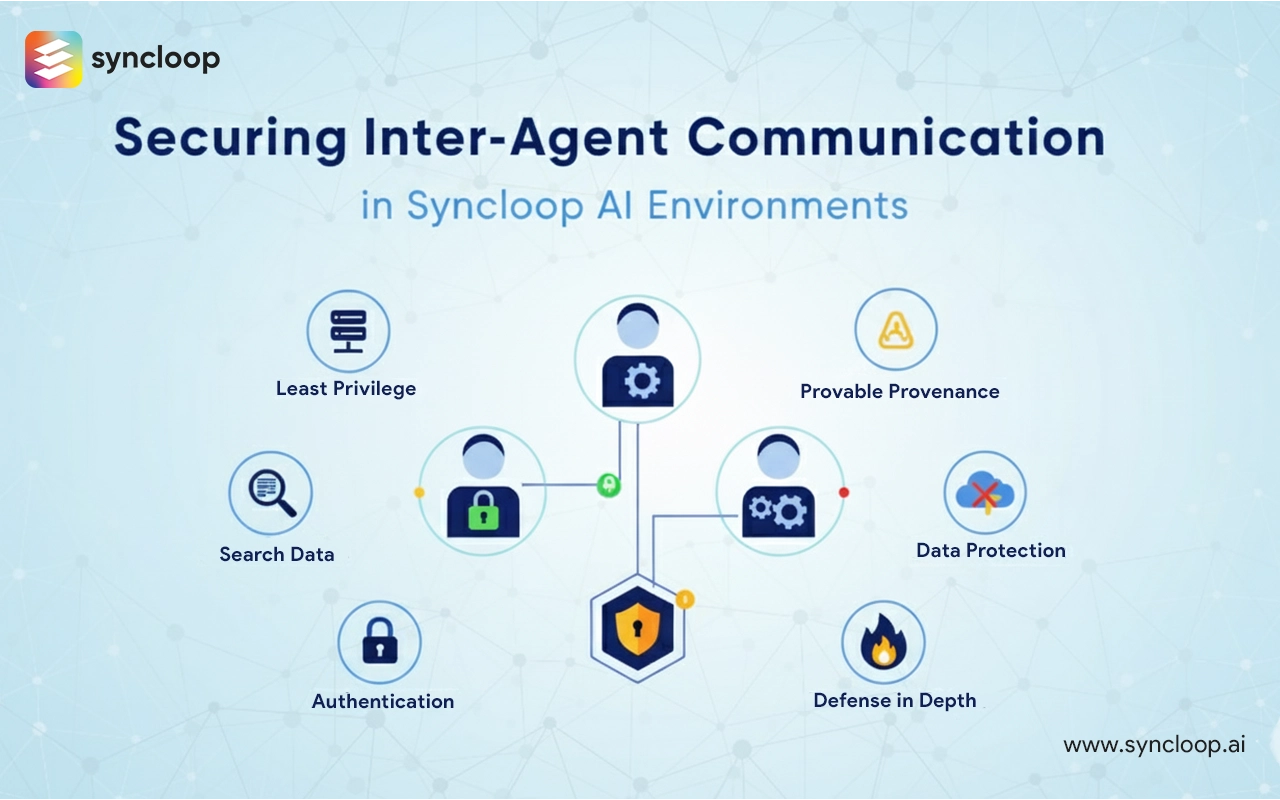
As organizations embrace multi-agent architectures to automate complex workflows, the conversation around capability naturally shifts to trust. Agents coordinate, reason, and act autonomously — but when those agents exchange data and instructions across networks and knowledge bases, the security stakes become existential. A misconfigured API, an exposed credential, or an unverified data source can turn intelligent automation into a liability.