AI Agents + Humans + Systems: The New Operating Model for Enterprise Teams
Posted by: Anika Kapoor | March 27, 2026
The AI vs. humans debate misses the point. So does treating AI as just another software system to integrate.
The organizations achieving real value from AI aren't choosing between AI, humans, and systems. They're building new operating models where all three work together—each contributing what it does best, coordinated through deliberate design.
This isn't just an efficiency play. It's a capability unlock. The combination of AI agents, human judgment, and existing business systems can accomplish things that none could achieve independently.
⚡
AI Agents
Speed, consistency, scale. High volume without fatigue. Rules applied consistently across thousands of cases. 24/7 without degradation.
🧠
Humans
Judgment, creativity, accountability. Ambiguous situations. Ethical decisions. Relationship-building. Consequential decisions AI systems cannot own.
🗄️
Business Systems
Authoritative records. Compliance requirements. Operational ecosystem connections. Systems of record that track, verify, and integrate.
The Three-Part Operating Model
Think of the new operating model as three distinct but coordinated layers. AI agents handle tasks where speed, consistency, and scale matter. They process high volumes without fatigue. They apply rules consistently across thousands of cases and operate 24/7 without degradation.
Humans provide judgment, creativity, and accountability. They handle ambiguous situations where rules don't apply cleanly. They make ethical decisions that require contextual understanding. They're accountable for consequential decisions in ways that AI systems cannot be.
Business systems maintain authoritative records, enforce compliance requirements, and connect to the broader operational ecosystem. The operating model isn't about choosing which element to use. It's about designing how they work together.
3×
The three coordinated layers — AI, Human, Systems — working as one integrated team
None
Of the three elements alone can achieve what the integrated model delivers together
Design
Effective collaboration requires intentional design — routing, context, and ownership
Intelligent Routing
The foundation of effective collaboration is intelligent routing—getting each task to whoever or whatever is best suited to handle it.
Routine cases with clear patterns go to AI agents. They handle these faster and more consistently than humans, freeing human capacity for higher-value work.
Complex cases requiring judgment go to humans. The routing should be intelligent—based on case characteristics, not rigid rules.
System updates happen automatically. When decisions are made—by AI or humans—the relevant business systems are updated without manual intervention.
Instead of rigid rules like "all cases over $10,000 go to humans," intelligent routing learns which case characteristics predict the need for human judgment—and gets smarter over time.
Context Preservation
The biggest failure mode in human-AI collaboration is lost context. When work moves from AI to human (or vice versa), critical information gets lost in translation. Humans waste time reconstructing what the AI already analyzed. AI systems start over without benefit of human insights.
Effective operating models preserve context across every handoff. When a human receives a case from AI, they see the full analysis: what was examined, what conclusions were reached, why the case was escalated. They can make an informed decision immediately rather than starting from scratch.
Similarly, when humans hand back to AI, their decisions and reasoning are captured. The AI system learns from human judgment. Patterns emerge that improve future routing. The collaboration gets smarter over time.
Clear Ownership
At every point in a workflow, it must be clear who owns the current decision or action. Ambiguous ownership creates gaps where things fall through and conflicts where multiple parties act on the same case.
AI agents own their assigned tasks until they complete them or escalate. Escalation is explicit—the AI transfers ownership to a human who becomes responsible.
Humans own escalated cases until they resolve them—whether making a final decision, requesting more AI analysis, or routing to a different team.
Systems own data integrity. They're the authoritative source for what happened, who decided, and when. Multiple versions of truth create chaos.
The Capability Unlock
When AI, humans, and systems work together effectively, capabilities emerge that none could achieve alone:
Volume becomes manageable. AI handles the routine bulk, so humans can focus attention where it matters. Organizations can process volumes that would overwhelm human-only approaches.
Quality improves. Human judgment applies where it's needed, not diluted across routine cases. AI consistency prevents the variation that creeps into human-heavy processes.
Compliance strengthens. Every decision is documented. Every handoff is tracked. Auditors can trace exactly what happened and who decided.
This isn't AI replacing humans. It's a new operating model that amplifies what each element does best. The organizations that master this model will define the next era of enterprise operations.
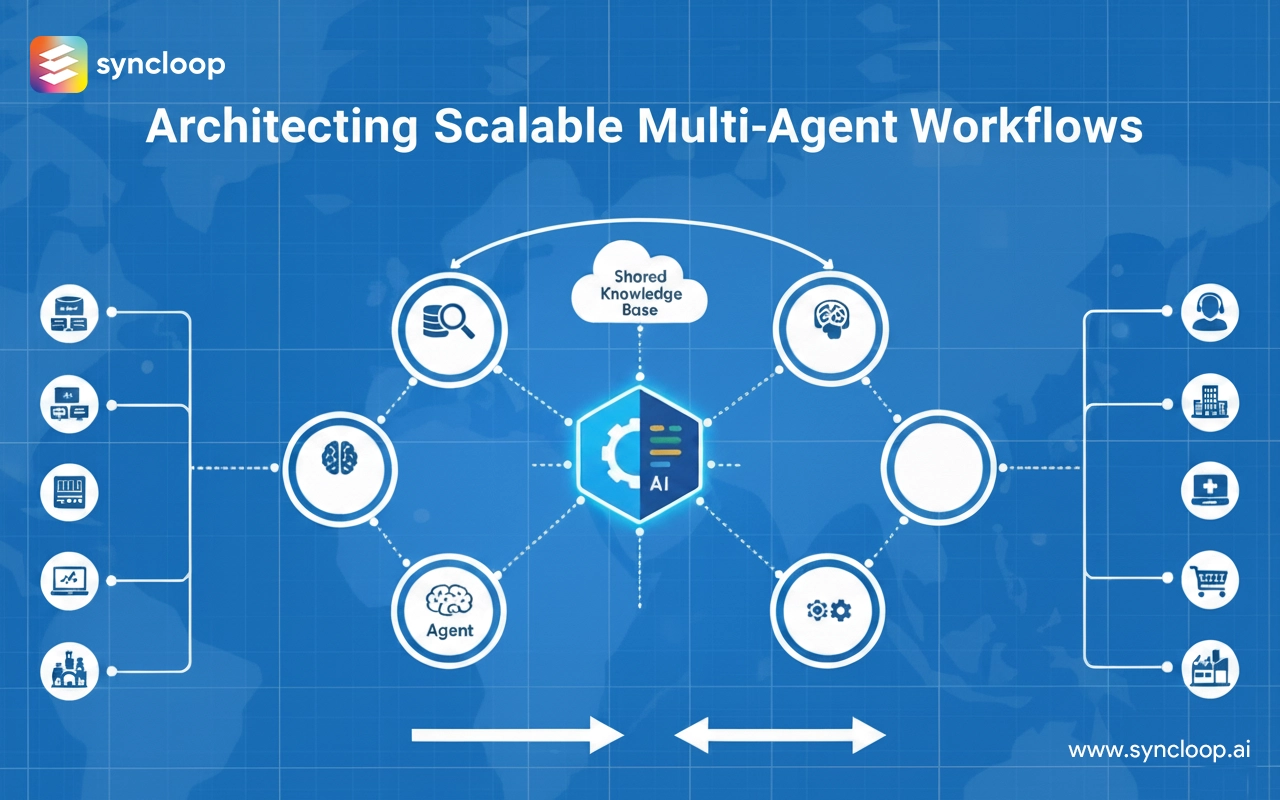
As organizations increasingly adopt AI-driven solutions to enhance efficiency and intelligence in operations, one challenge consistently emerges —scalability. Traditional automation platforms, while efficient for static or rule-based workflows, often crumble under the pressure of dynamic workloads and context-driven decision-making.
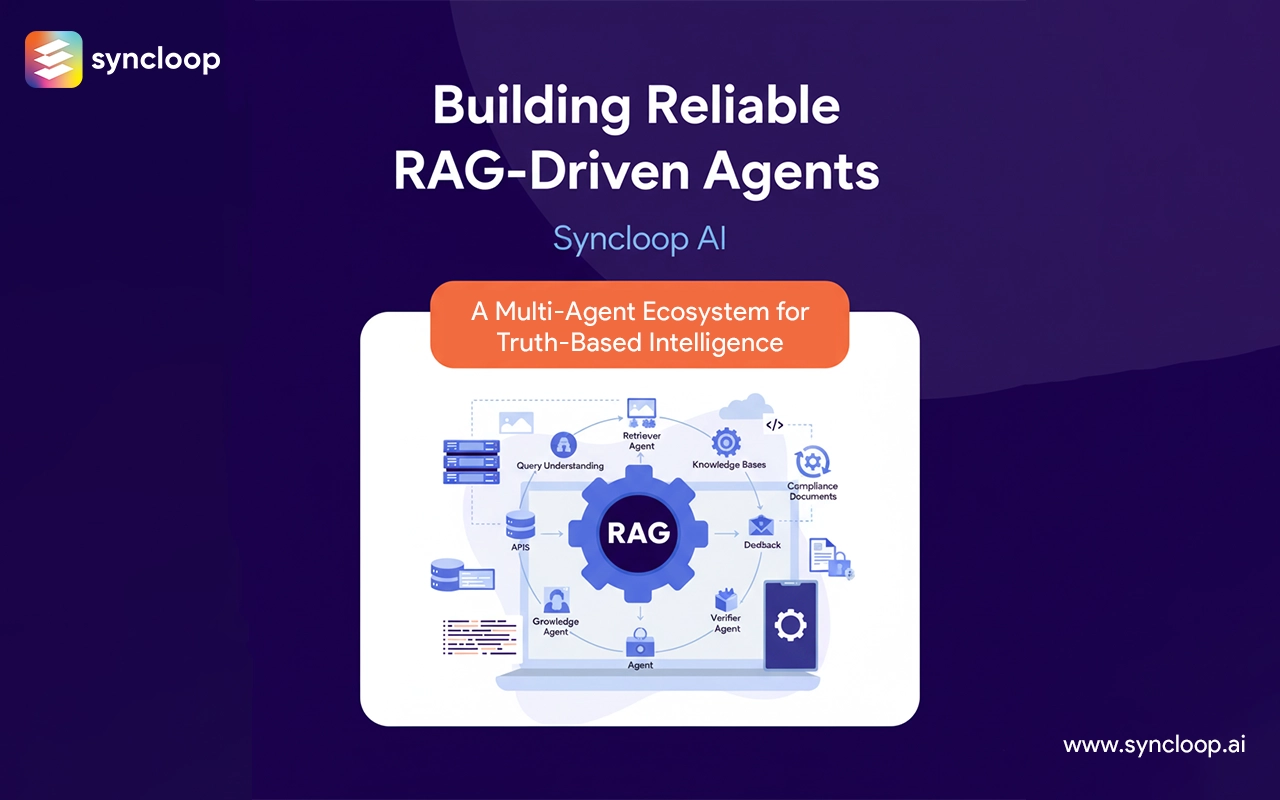
In the rapidly expanding world of artificial intelligence, enterprises are increasingly demanding accuracy, explainability, and reliability from their AI systems. While Large Language Models (LLMs) have shown immense potential, they often struggle with factual correctness — a phenomenon known as hallucination. The solution lies in Retrieval-Augmented Generation (RAG), a framework that combines the reasoning ability of LLMs with the factual strength of external knowledge sources.
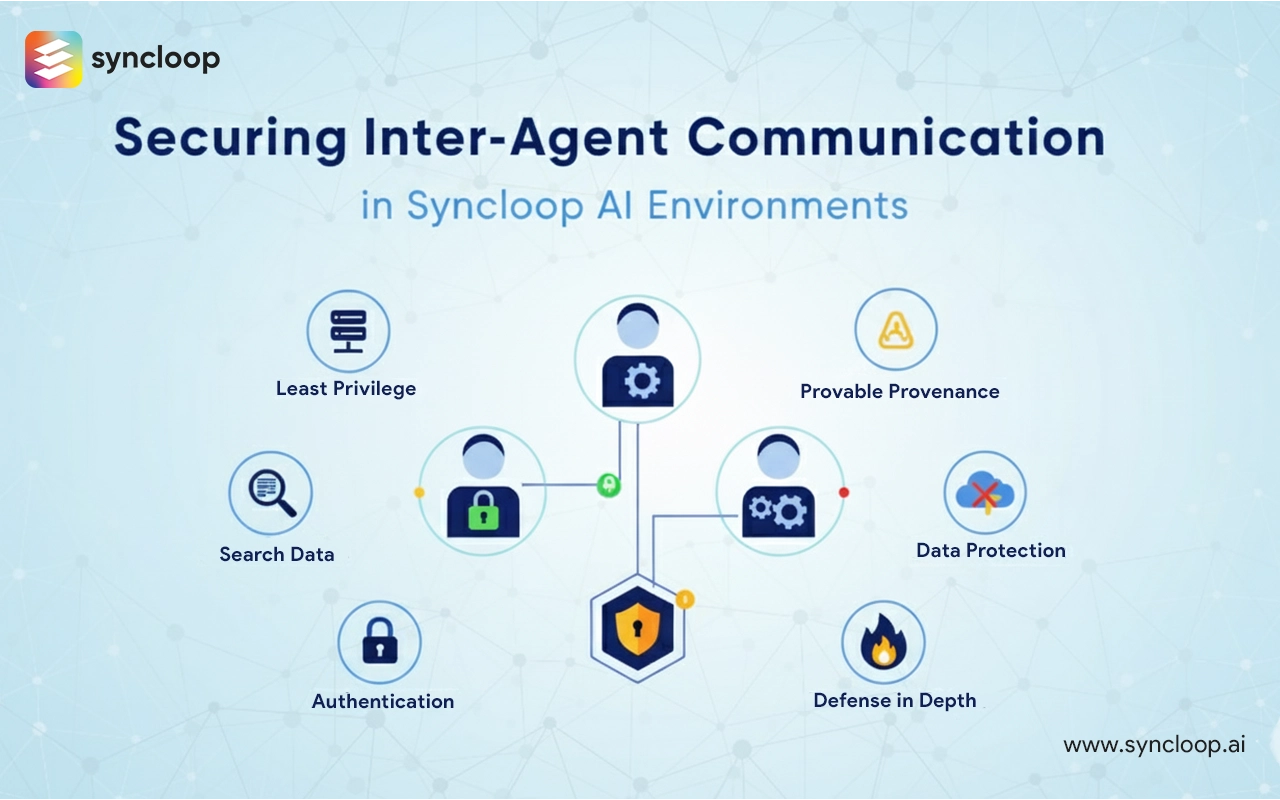
As organizations embrace multi-agent architectures to automate complex workflows, the conversation around capability naturally shifts to trust. Agents coordinate, reason, and act autonomously — but when those agents exchange data and instructions across networks and knowledge bases, the security stakes become existential. A misconfigured API, an exposed credential, or an unverified data source can turn intelligent automation into a liability.