The 18-Month AI Project Trap: Why Speed-to-Market Matters More Than Perfect Architecture
Posted by: Nickolas John | March 23,2026
Here's a scenario that plays out in enterprises every day: A team spends 14 months building AI infrastructure. By month 18, they're finally ready to deploy. But the model they selected at project kickoff is now two generations behind. Their competitors shipped similar capabilities six months ago. And the customer expectations they designed for have already evolved.
They didn't fail because they built bad technology. They failed because the market moved faster than their project timeline.
This is the 18-month AI project trap—and it's claiming more victims than bad architecture ever did.
3–4×
Capability jumps during a typical 18-month project
60%
Of effort spent on infrastructure, not actual AI
30 days
Target for first production value deployment
Why Traditional Timelines Are Collapsing
Traditional enterprise software projects operated on predictable timelines because the underlying technology was stable. A database selected in month one would still be appropriate in month 18. Integration patterns didn't change quarterly. The market moved slowly enough that 18 months of development time was acceptable.
AI operates on a different clock. Major model improvements arrive quarterly. New architectures emerge that obsolete previous approaches. Capabilities that seemed futuristic at project start become table stakes by project end.
Consider what happens during an 18-month project:
The model landscape changes completely
At least 3–4 significant capability jumps occur across major providers
New tools and frameworks emerge that would have simplified early decisions
Competitor products ship and establish market expectations
By the time you deploy, you're not delivering cutting-edge capability—you're delivering 18-month-old thinking implemented on current infrastructure.
The Real Cost of "Perfect Architecture"
The 18-month timeline often comes from a reasonable-sounding premise: invest heavily upfront in perfect architecture to avoid problems later. Build the infrastructure right the first time. Design for every possible future requirement.
The problem is that "perfect" architecture for AI is a moving target. The requirements you're designing for today may not reflect the capabilities available tomorrow. The integration patterns that seem necessary now might be obsoleted by better approaches next quarter.
More fundamentally, you can't architect well for problems you don't yet understand. Real AI system requirements emerge from production use—from actual user interactions, actual data patterns, actual failure modes. Planning in isolation produces architecture that solves theoretical problems while missing the practical ones.
Where the Time Actually Goes
If you analyze 18-month AI projects, you'll find that most time isn't spent on AI. It's spent on infrastructure: setting up compute and storage, configuring security and networking, building deployment pipelines, integrating with existing systems.
This ratio is backwards. Infrastructure is commodity work that should be automated or handled by platforms. Integration should be simplified through pre-built connectors. The team's time should focus on the differentiated work—the AI capabilities that create competitive advantage.
The Compounding Value of Speed
Speed isn't just about shipping faster—it's about learning faster. Every week in production teaches you something that planning couldn't. Real user feedback reveals requirements that requirements documents missed. Actual performance data guides optimization better than theoretical analysis.
Escaping the Trap
Breaking free from 18-month timelines requires rethinking how AI projects are structured:
Start small and iterate: Deploy a minimal capability quickly, then improve it continuously based on real feedback.
Use platforms, not projects: Adopt platforms that handle infrastructure and integration automatically, so your team can focus on AI development.
Design for change: Choose architectures that accommodate new models, new tools, and new requirements without major rebuilds.
Measure cycle time: Track how long it takes from idea to production deployment, and treat long cycles as problems to solve.
The goal isn't reckless speed—it's eliminating unnecessary delay. Security, compliance, and quality still matter. But achieving them shouldn't require 18 months of waterfall development.
You can spend 18 months building perfect infrastructure for yesterday's AI capabilities. Or you can deploy in weeks and spend those 18 months learning, iterating, and improving. The market has already decided which approach wins.
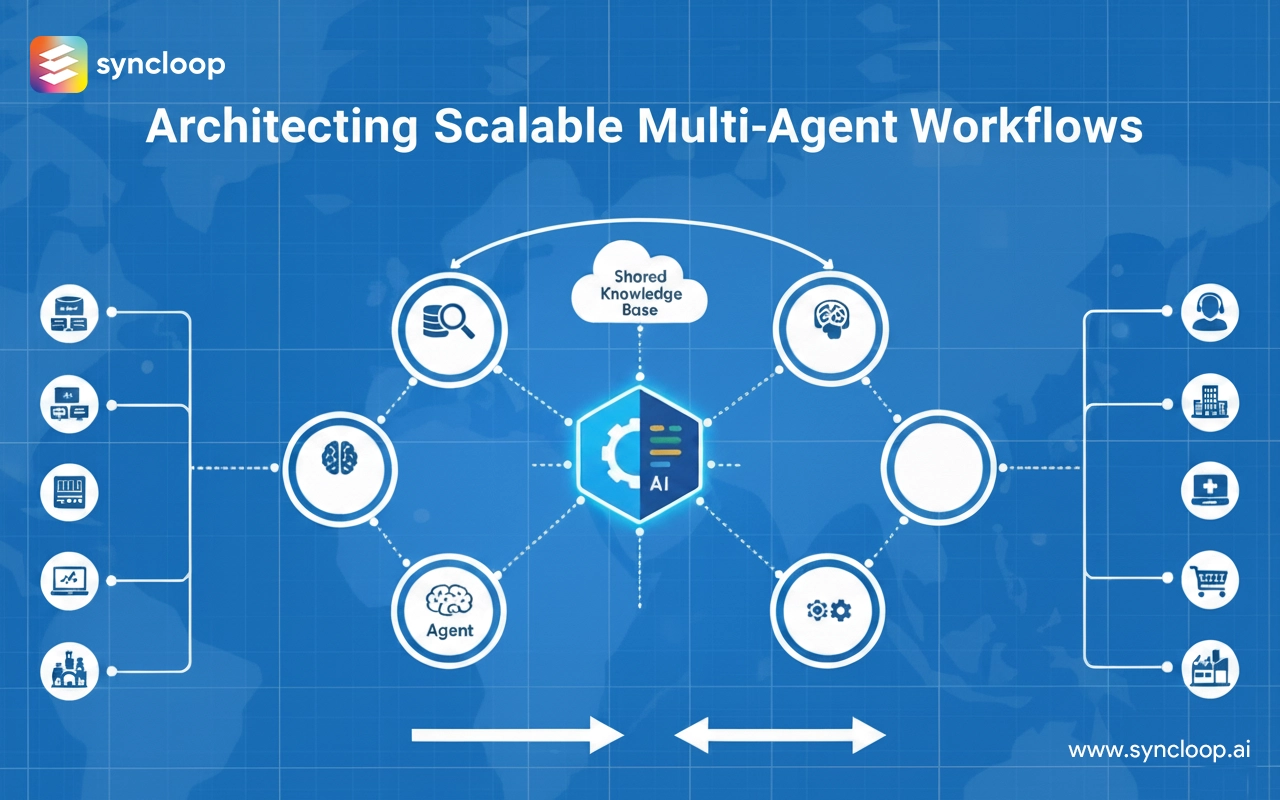
As organizations increasingly adopt AI-driven solutions to enhance efficiency and intelligence in operations, one challenge consistently emerges —scalability. Traditional automation platforms, while efficient for static or rule-based workflows, often crumble under the pressure of dynamic workloads and context-driven decision-making.
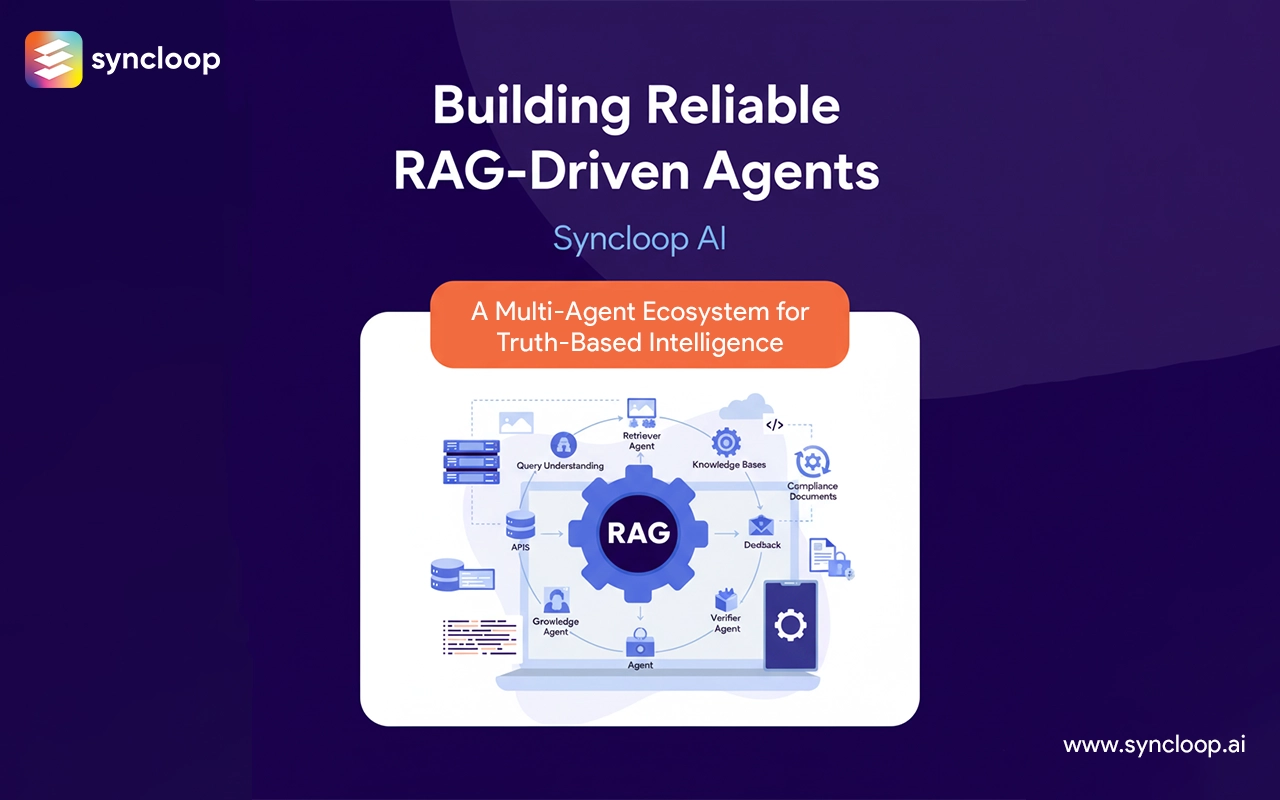
In the rapidly expanding world of artificial intelligence, enterprises are increasingly demanding accuracy, explainability, and reliability from their AI systems. While Large Language Models (LLMs) have shown immense potential, they often struggle with factual correctness — a phenomenon known as hallucination. The solution lies in Retrieval-Augmented Generation (RAG), a framework that combines the reasoning ability of LLMs with the factual strength of external knowledge sources.
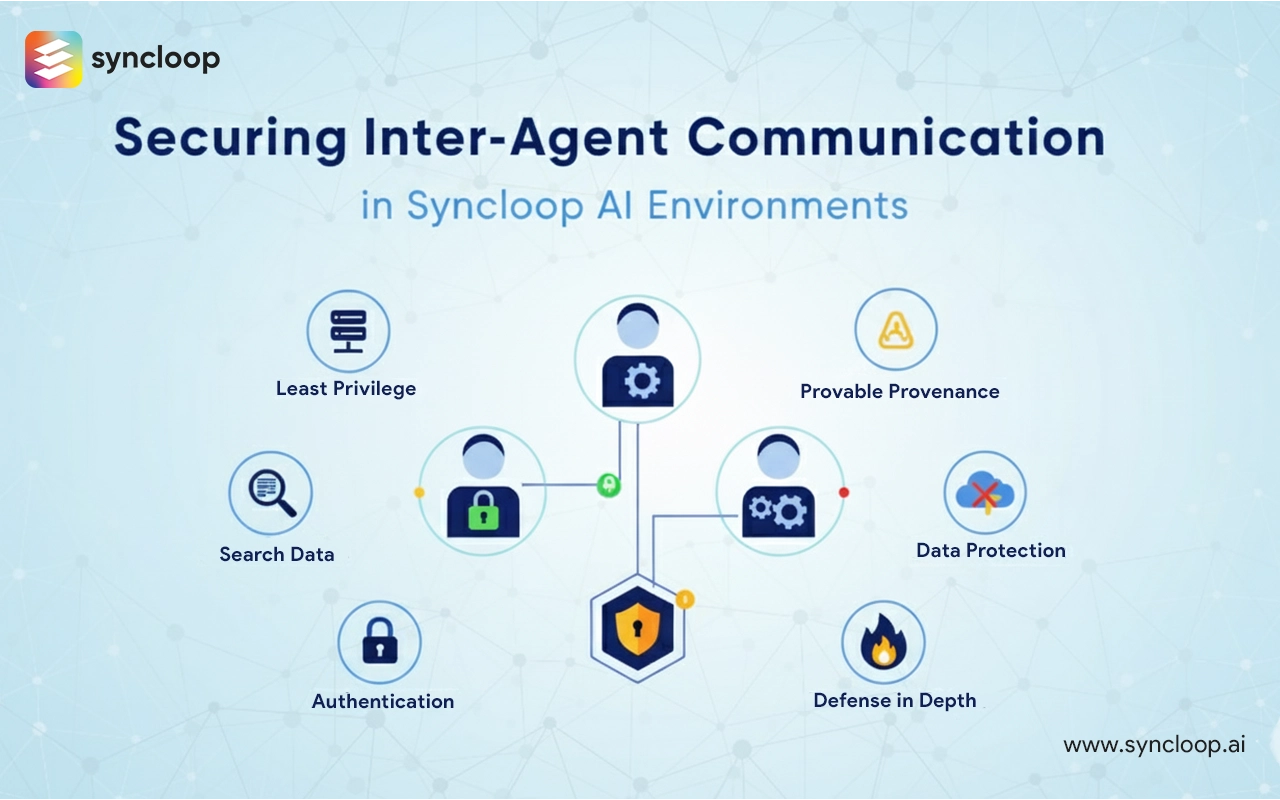
As organizations embrace multi-agent architectures to automate complex workflows, the conversation around capability naturally shifts to trust. Agents coordinate, reason, and act autonomously — but when those agents exchange data and instructions across networks and knowledge bases, the security stakes become existential. A misconfigured API, an exposed credential, or an unverified data source can turn intelligent automation into a liability.